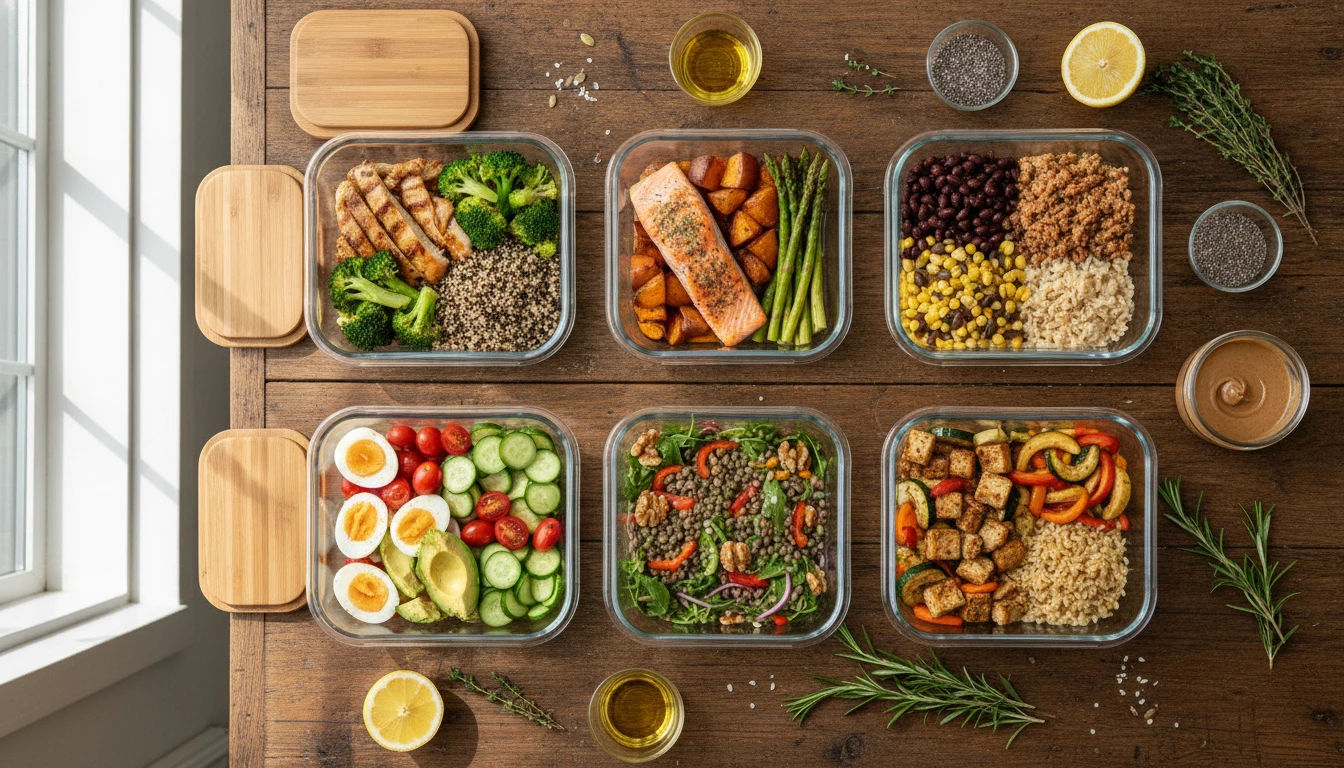
How To Create a Balanced Meal Plan for Weight Loss
Building a meal plan that actually fits your weight loss goals can feel like a big task at first. I’ve learned that simplicity and consistency matter way more than following restrictive or trendy diets. Planning balanced meals isn’t about starving or cutting out your favorite foods; it’s more about finding a routine that works for you and keeps you full, energized, and losing weight at a steady, realistic pace. The good news is, with some planning and easy recipes, it can also bring more joy to the table than frustration.
Here’s how I put together meal plans that help with weight loss, keep things interesting, and don’t feel like punishment. Whether you’re just starting out or looking to refresh your habits, these steps will smooth the way for a healthier lifestyle.
Why Balanced Meal Planning Works for Weight Loss
- No complicated rules to follow. You don’t need to memorize a long list of “bad” foods.
- Easy to customize. You can make meals work for your preferences, allergies, or cultural background.
- Cuts down on cravings. Balanced meals are more satisfying. This means you’re less likely to snack between meals or overeat later.
- Budget friendly and practical. Most of the ingredients are easy to prep ahead or grab at the store.
Balanced meal planning also makes it easier to manage portion sizes and ensures you’re getting a mix of nutrients. Plus, it’s a flexible approach—you can adapt it as your goals or lifestyle change.
Core Building Blocks of a Balanced Meal
A balanced meal almost always includes:
- Lean protein, like chicken, turkey, fish, eggs, tofu, beans, or Greek yogurt
- Fiber rich carbohydrates, such as brown rice, oats, sweet potatoes, wholegrain bread, or quinoa
- Lots of nonstarchy veggies; think broccoli, leafy greens, carrots, peppers, cauliflower, zucchini, tomatoes, or cucumbers
- Healthy fats in moderation: avocado, olive oil, nuts, seeds, or a little cheese
Getting all four in each meal helps you stay full longer and gives your body the nutrients it needs without going overboard on calories. If you’re a vegetarian or vegan, remember that plenty of plantbased proteins and healthy fats work perfectly well here.
How to Set Your Calorie and Portion Targets
Start by Figuring Out Your Daily Calories
To lose weight, you need to eat fewer calories than your body uses. You can get a rough estimate by searching for a free calorie calculator online; just put in your age, weight, height, sex, and how active you are. This gives you a calorie goal to start with. You can adjust this as you track your progress over a few weeks and see how your body reacts.
If you plateau or feel too hungry, tweak your numbers slightly and see what happens. Always make small adjustments rather than big changes; patience is key here.
Portion Basics
- Protein: Aim for about a palmsized portion or 20-30g per meal.
- Carbs: Use a cupped hand sized portion or 1/2 to 1 cup cooked.
- Veggies: Fill roughly half your plate or about 2 fists per meal.
- Fats: Try a thumb sized amount or 1-2 teaspoons per meal.
Eyeballing these amounts makes meal prep way easier; you don’t need to break out the food scale every time once you get the hang of it.
Simple Meal Planning Tips that Make a Big Difference
1. Keep It Realistic and Simple
You don’t need to cook a new recipe every day. I rotate about 3 to 5 main meals for breakfast, lunch, and dinner over a week, and change things up with different sauces or sides. Leftovers come in super handy and can save you lots of time.
2. Meal Prep When You Can
I’m a big fan of batch cooking proteins (like grilled chicken breasts or baked salmon) and prepping a big tray of roasted veggies. This cuts down on midweek stress and makes it less tempting to order takeout or skip meals. Even just washing and chopping veggies ahead of time streamlines busy weekdays.
3. Snack Smart
If you plan snacks, pick things high in protein or fiber. Think Greek yogurt, nuts, veggie sticks, or hardboiled eggs. Measure out your portions instead of grazing straight from the bag or container—and prepack snack bags if you’re on the go.
4. Don’t Forget Flavor
Spices, herbs, citrus, vinegars, and hot sauces can turn even boring chicken and veggies into something you’ll actually look forward to eating. Balanced doesn’t mean bland—play around with new flavors and seasonings so things don’t get dull.
Sample Balanced Meal Plan for Weight Loss
This is just a sample with basic foods. Swap in what you already like or what fits your routine. You can always mix and match proteins, grains, and veggies according to your tastes and what’s in season.
- Breakfast: Scrambled eggs with spinach and tomatoes, wholegrain toast, and a slice of avocado
- Lunch: Grilled chicken breast, brown rice, roasted broccoli, and a drizzle of olive oil
- Dinner: Salmon (baked or grilled), sweet potato mash, steamed green beans, and a sprinkle of sesame seeds
- Snacks: Lowfat Greek yogurt and berries; apple and a handful of almonds
Meal size depends on your personal calorie needs, so adjust portions to fit your daily targets. If you work out, you can add a bit more carbs for recovery; if you’re less active, focus more on veggies and lean proteins.
Tips & Easy Swaps to Stay on Track
- Switch up your proteins. Try swapping chicken for tuna, tofu, lentils, or eggs when you need a change.
- Go for colorful veggies. The more color on your plate, the more nutrients you’re likely getting.
- Pick smart carbs. Swap white bread and pasta for wholegrain versions to get more fiber and stay fuller longer.
- Use healthy fats, just not too much. Olive oil, avocado, and nuts are great, but they pack a lot of calories; measure instead of pouring.
- Hydrate. Keep a water bottle with you. Sometimes, thirst feels like hunger, so drinking enough water helps prevent overeating.
Experiment with herbs and spices to keep meals exciting. If you find yourself getting bored, try a new recipe or food each week for variety!
Frequently Asked Questions
Q: Do I have to cut out all carbs?
No way. Carbs aren’t the enemy; they give you energy, especially when you choose whole, unprocessed options like oats, brown rice, and veggies.
Q: What about eating out or ordering takeout?
Look for grilled options, salads with lean protein, or veggie heavy dishes. Ask for dressings and sauces on the side, and portion out half for lunch the next day if it’s a big serving.
Q: How do I deal with cravings?
I keep a go to snack that fits my plan and satisfies me, like Greek yogurt with cocoa powder or air popped popcorn. Planning a treat meal once a week helps me stay mentally on track, too.
Q: Can I still lose weight if I have a busy schedule?
Yes! Meal prepping, planning ahead, and relying on batch cooking or freezer meals can give a boost to your consistency. Focus on simple meals that can be made quickly or assembled from healthy basics.
Share How Your Meal Plan Goes!
I’d love to hear about your favorite go to meals or smart swaps that fit your busy schedule. If you try creating your own balanced meal plan using these tips, share what works for you; everyone’s adventure is a little different, and new ideas are always welcome. Getting healthier doesn’t have to be complicated and small steps each week add up to steady progress. Let’s help each other stay inspired and make balanced eating part of our daily routine!